
Cost and value
What a loft conversion costs
The straight version. What drives the price, what is in a Paradigm quote and what is not, and why the lowest number you are shown is very often the most expensive way to end up with a room.
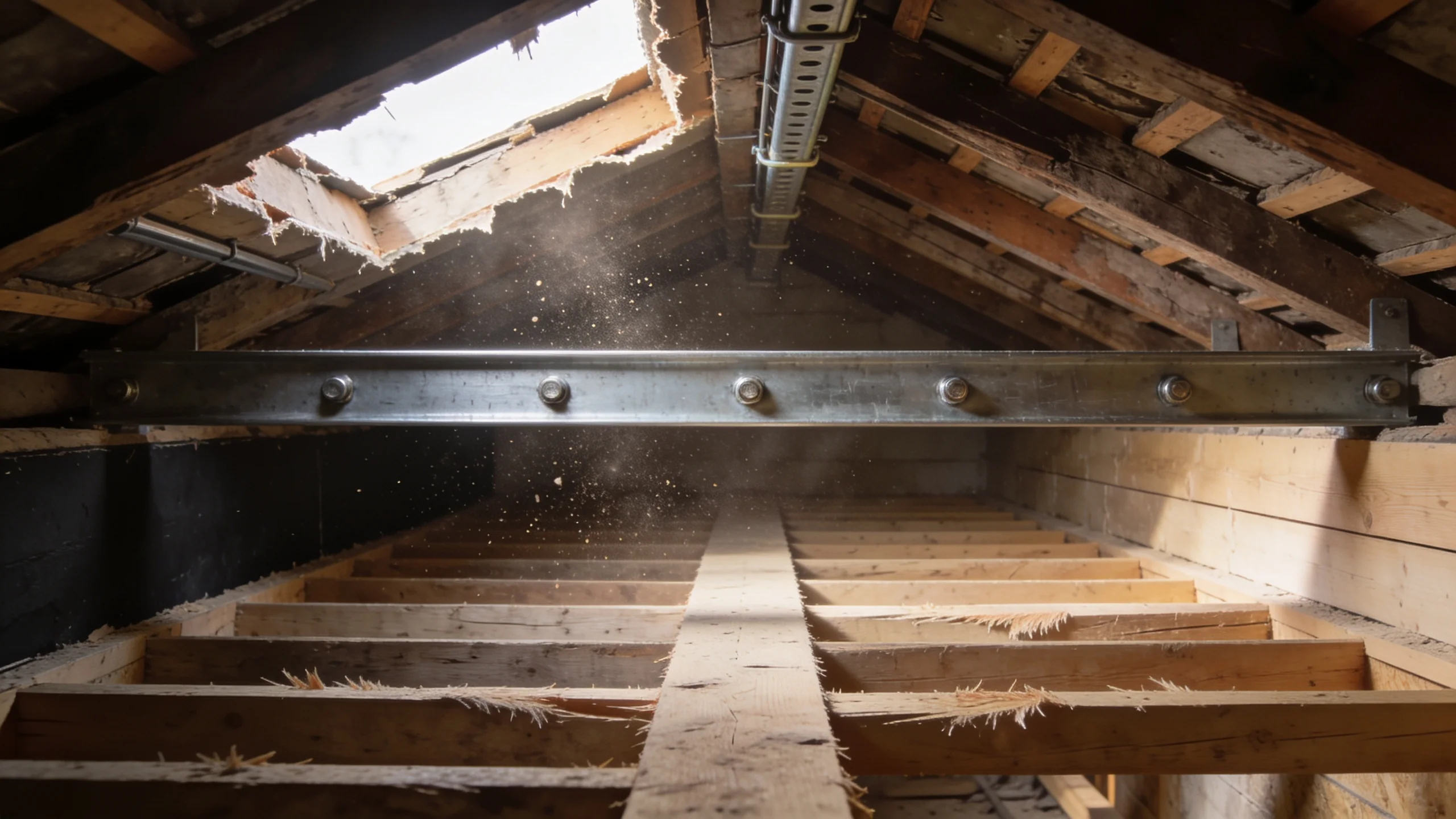
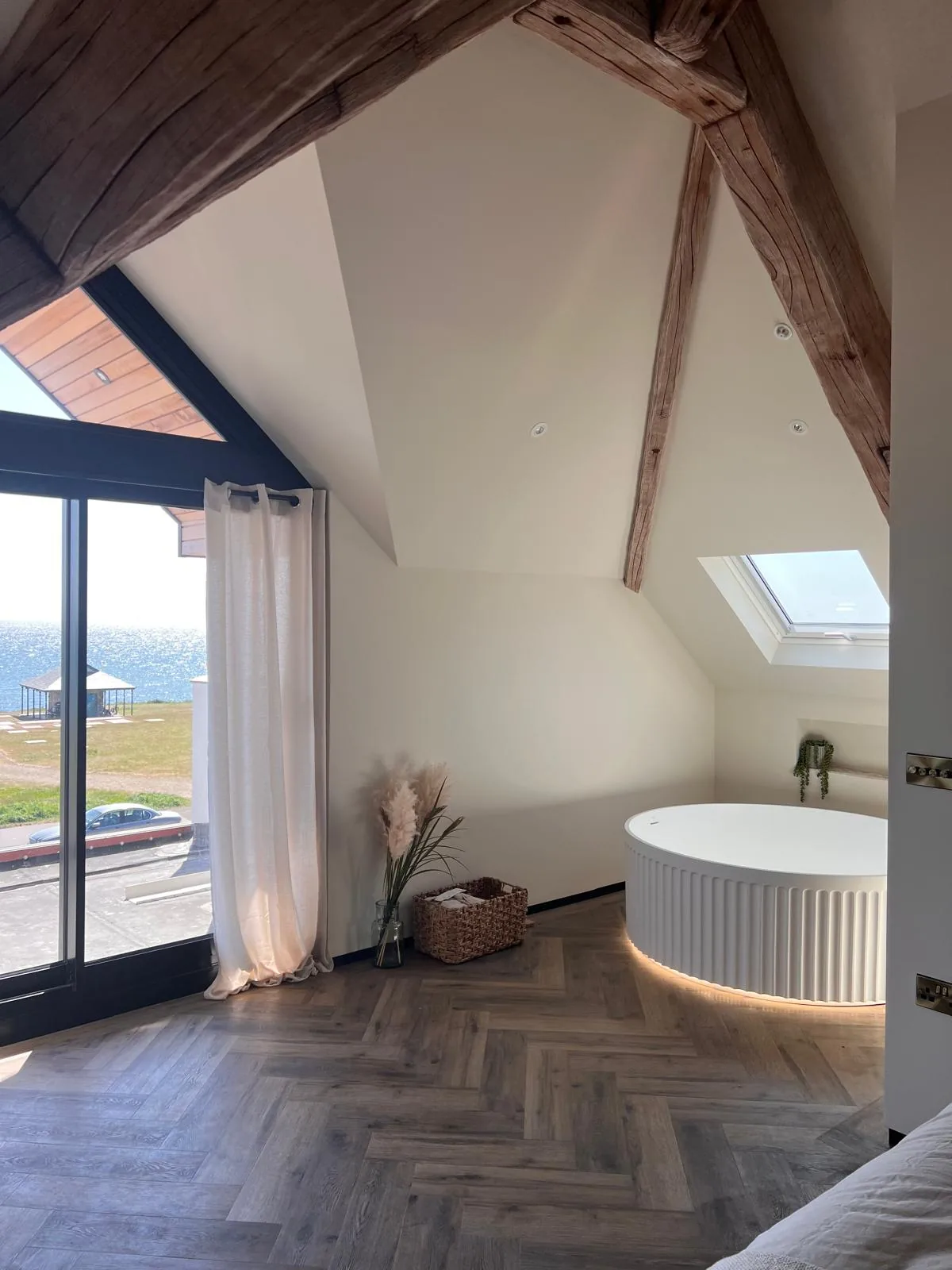
An illustration of the structural stage, which is where most of the money goes. Photographs of real Paradigm jobs are in projects.
The starting point
£45,000
The figure our own guide uses as the point where a loft conversion starts. It is a starting point, not a quote, and your house decides the rest.
For an investment starting around £45,000 you are not making a room bigger, you are adding a unit to the official count of the house. Moving from three bedrooms to four with an en suite is the single most effective way to move a home into a higher price bracket.
Compare that to a ground floor kitchen extension at a hundred thousand pounds and up, where a great deal of the spend is a better version of a room you already had, and where the garden gets smaller.
Cost by conversion type
Ranges, never single figures. A single figure is a quote, and a quote needs somebody standing in your loft with a tape measure.
Dormer
£60,000 to £80,000
The most common conversion in South Wales. Adds full standing height and floor area to a terrace or a semi.
What it involvesHip to gable
£80,000 to £120,000
For end of terrace houses and interwar semis with a sloping side roof. Squares off the hip and buys you a proper room.
What it involvesVelux
£45,000 to £60,000
If you already have the head height, this is the quickest and cheapest route. No change to the roof line at all.
What it involves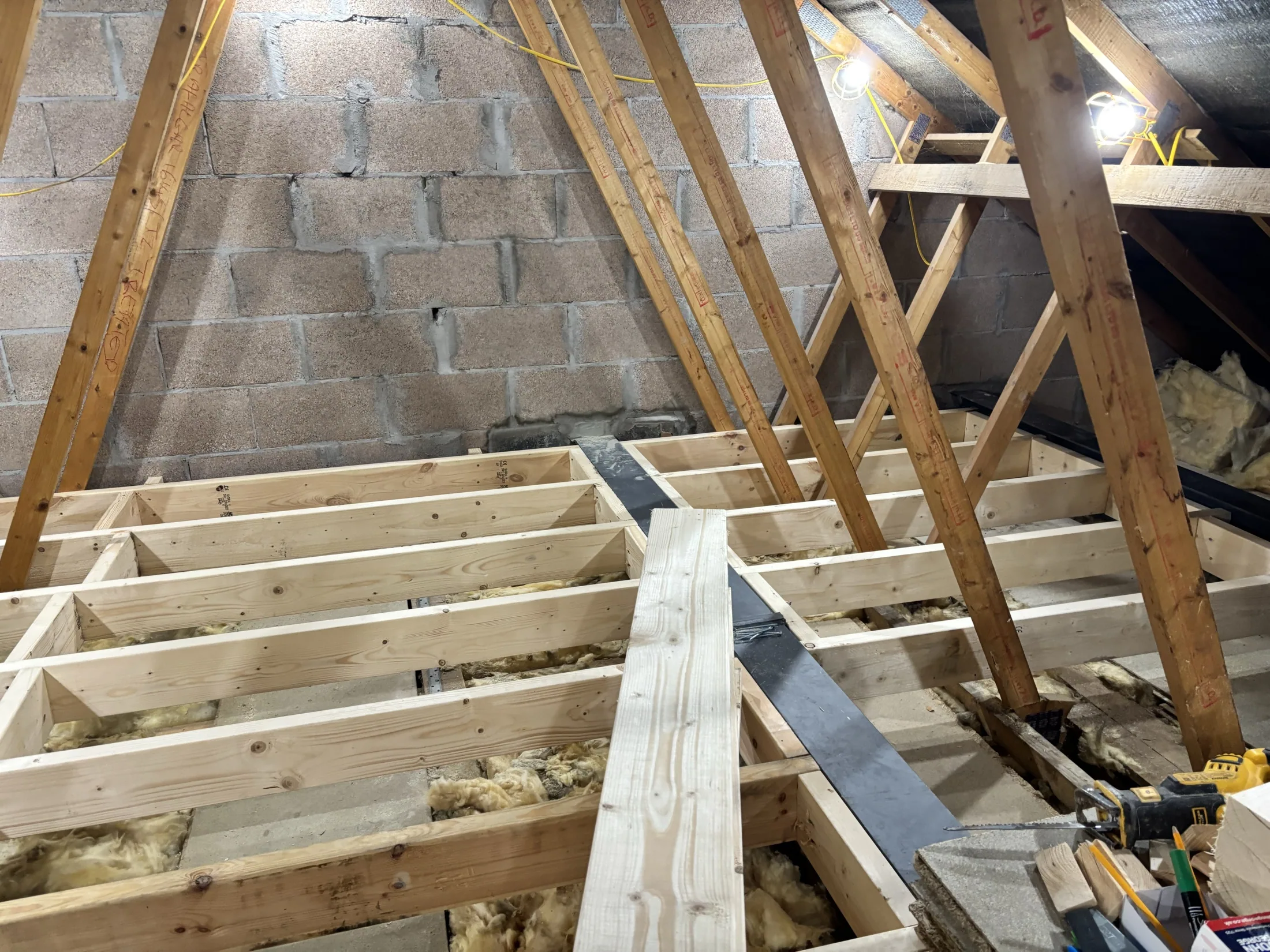
Six things that move the price, and none of them are the carpet
Structure
Every loft needs steel beams. Larger floor joists run between them to carry the new load, and larger rafters go in alongside the ones already over your head. What moves the price is the span those steels have to cross and the sizes the calculation comes back with, which is an engineer's sum rather than an opinion.
An en suite
It is a whole bathroom, built at the top of the house. Building the room, running the drainage and pipework up from the first floor, waterproofing, tiling, the shower, the screens, the vanity basin, the toilet, maybe a bath, and every fixture and fitting in it. All of that in your loft.
The staircase
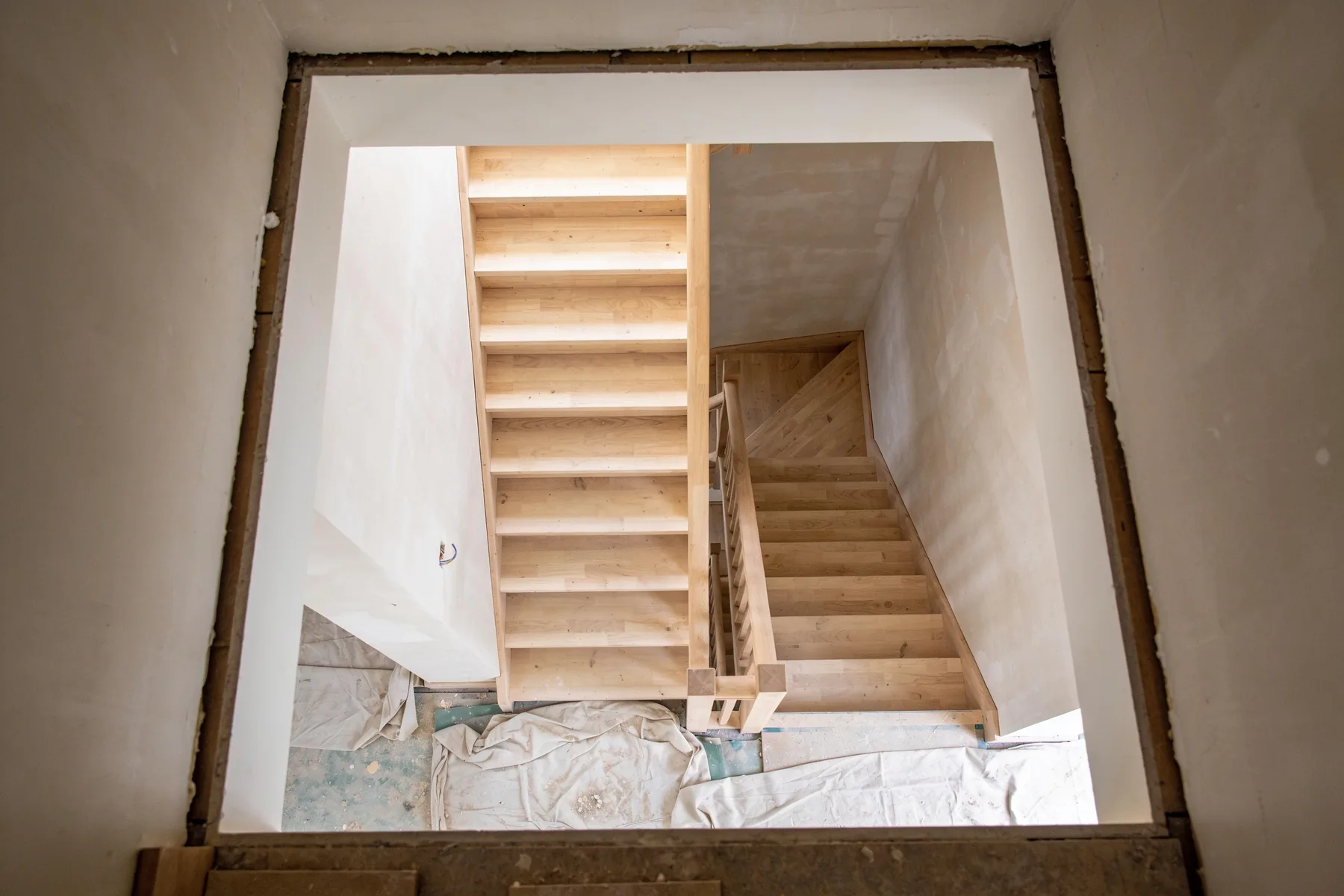
A stair that rises over the existing flight is straightforward. A stair that has to be moved, turned or rebuilt to keep the room below usable is a different job, and it is the single most common thing a cheap quote leaves out.
Planning rather than permitted development
A conservation area, a listed building or a dormer that exceeds the volume allowance means a full application, which adds time and fees before anything is built.
Head height
We are looking for around 2.4 metres from ceiling joist to ridge. Under that the options narrow: lowering the ceilings below or altering the roof structure can buy the height back, and neither is cheap.
Access and the street
A terrace with no side access, a narrow lane, or scaffolding that has to go over a neighbour's garden all cost money that has nothing to do with the room itself.
What is in the quote
- Structural design, calculations and the building control application
- Steels, new floor structure and the roof works
- Roof windows or dormer glazing as specified
- Insulation to current regulations, so the room is usable in February and August
- First and second fix electrics and plumbing
- Plasterboard, plaster and decoration
- A compliant staircase, fire doors and mains linked smoke alarms
- Final inspection and the building regulations completion certificate
- Skip hire, waste removal and a tidy site every evening
What is not
- Furniture, curtains and blinds
- Anything you decide to add once the work has started, which is priced and agreed in writing before it happens
- Planning application fees where a full application is needed
- Party Wall surveyor fees where a neighbour appoints their own
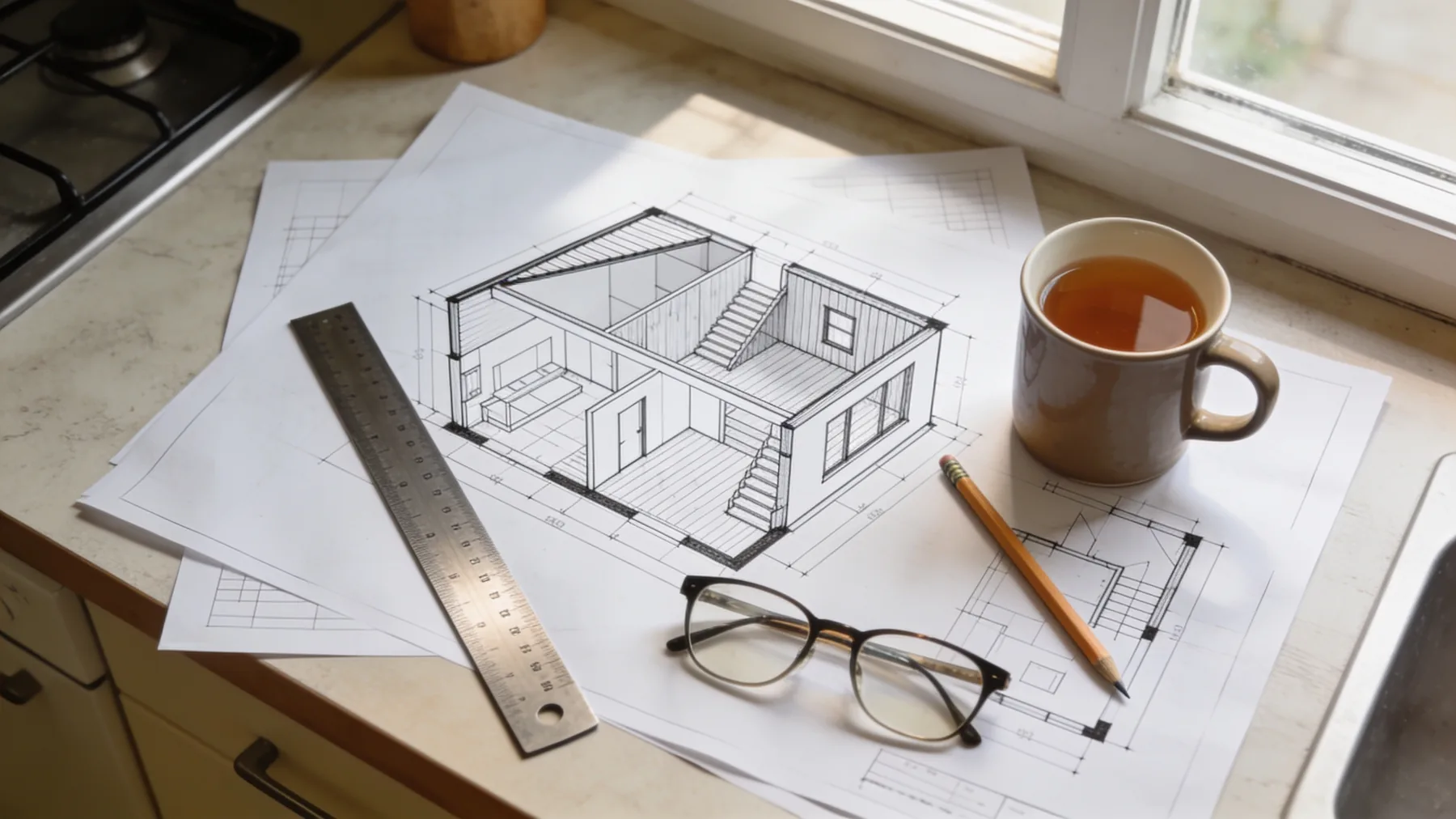
Every Paradigm proposal is itemised line by line with zero hidden extras, and carries a payment schedule where completed stages are highlighted once paid. You always know what has been done, what is next, and where your budget stands.
Why the cheapest quote is usually the most expensive outcome
A low number on one line is not a price. It is an opening position, and the gap between it and the real cost gets closed later, when the roof is open and you have no leverage left.
The things that go missing from a cheap quote are always the same: structural steels, the drainage run for the en suite, a staircase that has to be rebuilt rather than dropped in, insulation to the standard the regulations actually require, and the building control fees.
The other risk is the one you cannot see on the quote at all. Without a building regulations completion certificate, your new room is legally storage space. It cannot be marketed as a bedroom when you sell, and it can make the house harder to move rather than easier.
Ask any builder for the quote broken down line by line. If it will not come, you have learned something useful for nothing.
What it adds, by area
An estimate from our own 2026 guide, not a valuation, a guarantee or a quote. What a loft adds depends on your street and your buyer. Your street matters more than your town, and nobody can promise you a number until a surveyor stands in the room.
| Area | Two to three bedrooms | Three to four bedrooms | Four to five bedrooms |
|---|---|---|---|
| Cardiff | £45,000 to £55,000 | £90,000 to £120,000 | £130,000 and up |
| Swansea | £30,000 to £40,000 | £70,000 to £95,000 | £110,000 and up |
| Bridgend | £28,000 to £38,000 | £65,000 to £85,000 | £95,000 and up |
| Port Talbot | £20,000 to £30,000 | £55,000 to £75,000 | £85,000 and up |
As percentages, going from two bedrooms to three tends to add 13 to 17 per cent, and three to four tends to add 10 to 12 per cent. Adding a bedroom with an en suite can take the total increase to 20 to 25 per cent. Newport, Caerphilly and the Vale of Glamorgan are not in this table because our guide does not publish a figure for them, and we are not going to borrow one from next door.
Cost questions we get asked
How much does a loft conversion cost in South Wales?
It depends on the conversion type, whether you want an en suite, and what the existing structure asks for. Our own ranges are £45,000 to £60,000 for a Velux conversion, £60,000 to £80,000 for a dormer, and £80,000 to £120,000 for a hip to gable, which is usually the one that takes on multiple rooms. They are ranges rather than prices, because the number for your house comes after somebody has stood in your loft with a tape measure.
Why is the cheapest quote usually the most expensive outcome?
Because a low number on one line is not a price, it is an opening position. The extras arrive once the work has started and you have no leverage left. A quote broken down line by line lets you see what has been included, and more importantly what has not, before you commit.
Do I pay in stages?
Yes. We use a written payment schedule tied to completed stages, and stages are marked off as they are paid. You always know exactly what has been done, what is coming next and where your budget stands.
Is a loft cheaper than an extension?
Usually, and it does not cost you a garden. You are also adding a room to the official count rather than making an existing room larger, which is what moves a house into a different price bracket.
Does a loft conversion add value to your home?
Our own guide publishes 2026 estimates by area, and the honest position is that the figure depends on your street more than your town. Adding a third bedroom is generally the largest single jump because three bedroom homes have the widest pool of buyers.
Two minutes
Put your own house through it
Six questions, and you see the answer before we ask for anything. It will tell you the conversion type your property points to and the estimated value added for your area.
Open the calculator
 Free guide
The Ultimate Guide to Your Dream Loft Conversion
The A to Z blueprint for creating space, value and peace in your South Wales home.
Written for South Wales homes
by Gavin Morris
Or take the guide with you
The whole thing in a PDF, including the questions to ask any builder before you sign.
Get the guide