Step 1 of 6
What kind of house is it?
Your roof shape follows from this, and the roof shape decides which conversions are open to you.
How this estimate is worked out
The estimate uses three things: the conversion type your roof shape allows, the typical scope of work for a property like yours, and the value added figures published in our own guide for your area. Every figure is a 2026 estimate for that area and is shown as a range, never a single number, because a single number is a quote and a quote needs a site visit.
What moves the cost up: steel work where the existing structure will not carry the load, an en suite and the drainage run it needs, a dormer that needs planning rather than falling under permitted development, and a staircase that has to be rebuilt to keep the room below usable. What we include as standard is set out line by line in the proposal, so there are no extras arriving once the roof is open.
Head height is the one thing that decides everything else. Measure from the top of the ceiling joist to the underside of the ridge. We are looking for around 2.4 metres before we take a loft on, because that is what leaves a room worth having once the new floor and the insulation have taken their share. Under that, the options narrow. Lowering the ceilings below or altering the roof structure can buy the height back, and neither is cheap. We will tell you which it is on the first visit, not after you have paid for drawings.
The three conversion types
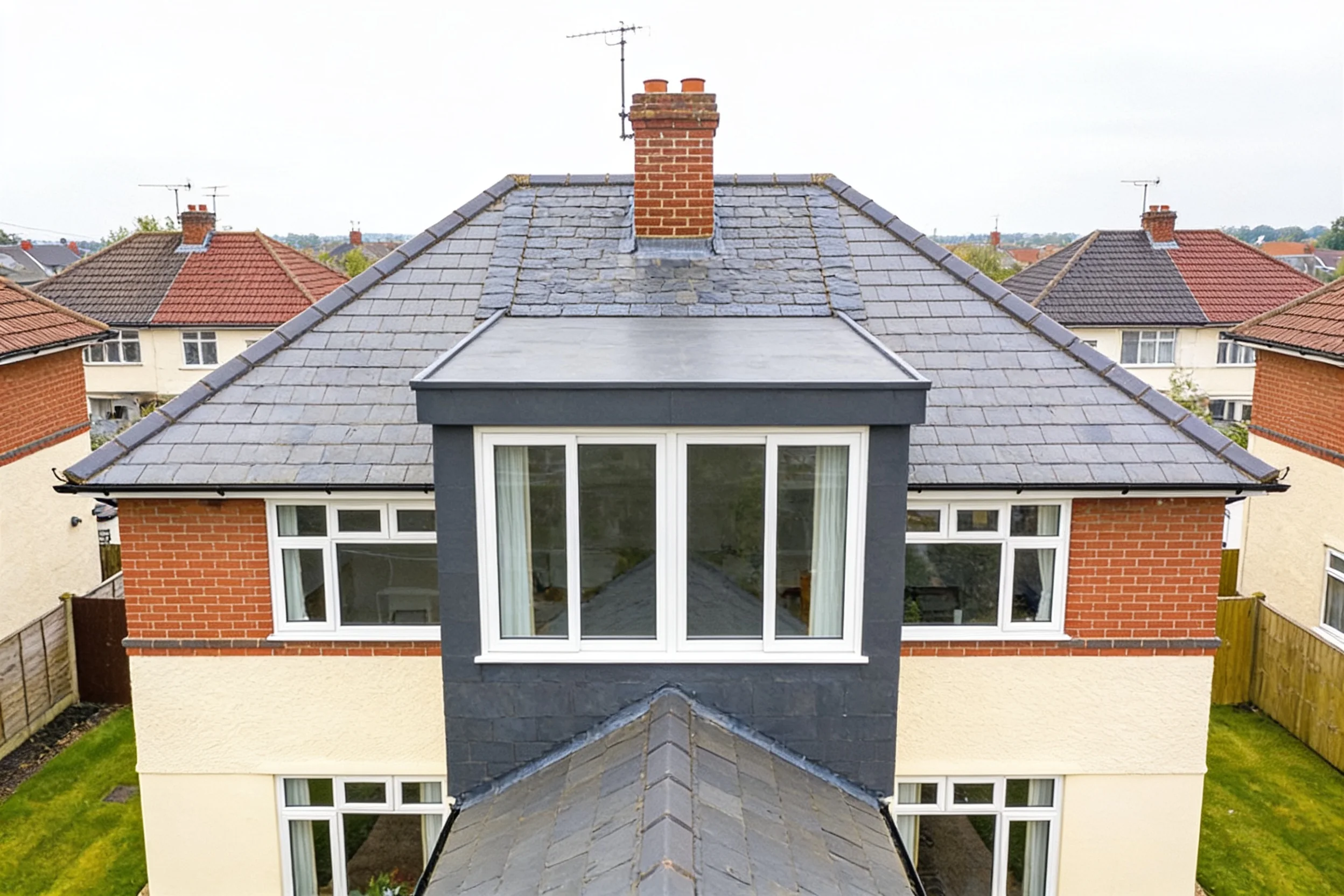
Dormer
The most common conversion in South Wales. Adds full standing height and floor area to a terrace or a semi.
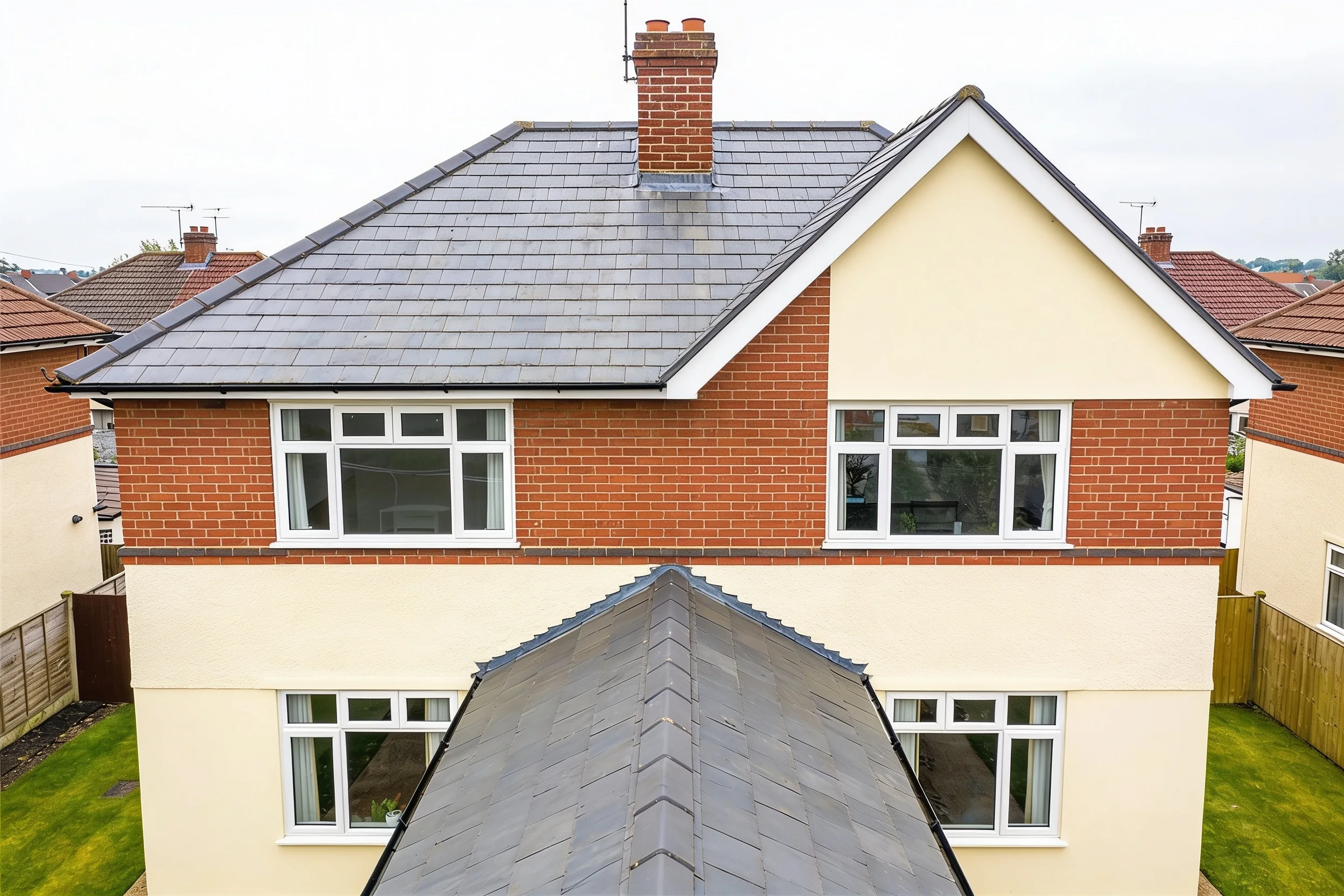
Hip to gable
For end of terrace houses and interwar semis with a sloping side roof. Squares off the hip and buys you a proper room.
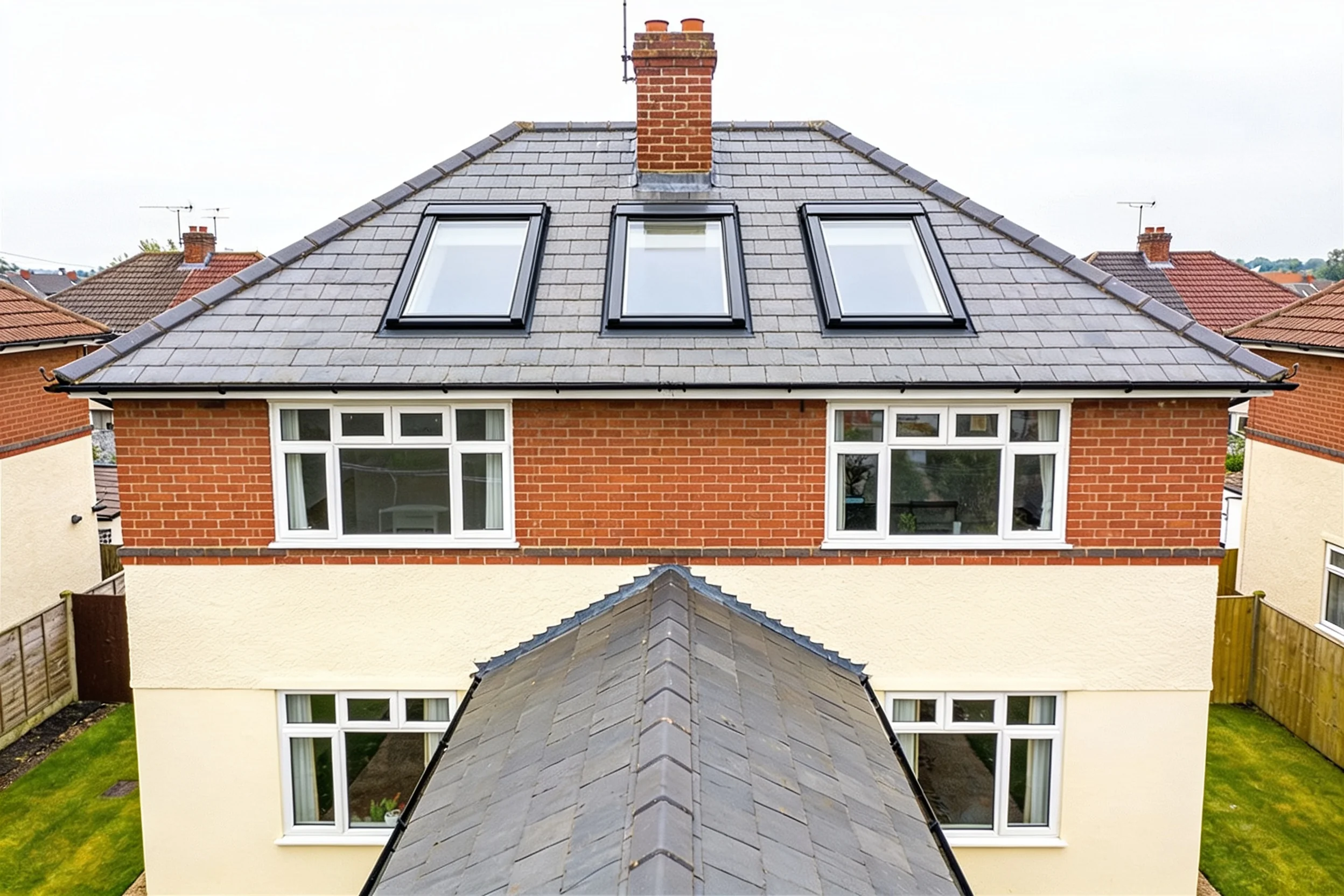
Velux
If you already have the head height, this is the quickest and cheapest route. No change to the roof line at all.
Illustrations of each roof form on the same house, so the difference is the roof and nothing else.
Estimated value added by area
Our own 2026 estimate, from our own South Wales guide, reproduced in full. Newport, Caerphilly and the Vale of Glamorgan are not listed because the guide does not publish a figure for them.
| Area | 2 to 3 beds | 3 to 4 beds | 4 to 5 beds |
|---|---|---|---|
| Cardiff | £45,000 to £55,000 | £90,000 to £120,000 | £130,000 and up |
| Swansea | £30,000 to £40,000 | £70,000 to £95,000 | £110,000 and up |
| Bridgend | £28,000 to £38,000 | £65,000 to £85,000 | £95,000 and up |
| Port Talbot | £20,000 to £30,000 | £55,000 to £75,000 | £85,000 and up |
As percentages, two to three bedrooms tends to add 13 to 17 per cent, three to four tends to add 10 to 12 per cent. Adding a bedroom with an en suite can take the total increase to 20 to 25 per cent.
Questions about the calculator
Does a loft conversion add value to your home?
In South Wales the largest single jump is usually going from two bedrooms to three, because three bedroom homes have the widest pool of buyers. Our own guide publishes 2026 estimates by area, and they are estimates rather than valuations. Your street matters more than your town.
Is the calculator a quote?
No. It shows a range based on typical South Wales properties. Only a site visit, where we measure the height from the top of the ceiling joist to the underside of the ridge and look at the roof structure, produces a real figure.
Do I have to give my email to see the result?
No. The result is shown as soon as you finish the questions. The form afterwards is there if you want Gavin to come and check it properly, and it carries your answers with it so the conversation starts where you left off.
Nothing on this page is a quote or a guarantee of value. Cost ranges are held until they are signed off, and value added figures are 2026 estimates for the area shown.